
Council tax band checker
Use the council tax band checker to see how much a band costs where you live for 2026/27. Choose your council, pick a band, and you'll see the bill for the year.
Step 1 of 2
Step 2 of 2
Don't know it? Look it up on the VOA band search (England and Wales) or the Scottish Assessors site.
Find your council tax band by postcode
The Valuation Office band search covers homes in England and Wales. Type in an address or a postcode. The band for each home on that street is listed there (GOV.UK).
Local assessors set the bands in Scotland, so use the Scottish Assessors site there instead. When you plan to buy a home, a quick council tax band check shows the bill before you commit.
Council tax bands explained
The band for your home is set by what it would have sold for on a set date, not by today's price. The date is 1 April 1991 in England and 1 April 2003 in Wales (Valuation Office guidance). Scotland's date is also 1 April 1991 (Scottish Assessors).
Each band covers a range of values, so two very similar homes can end up in different bands.
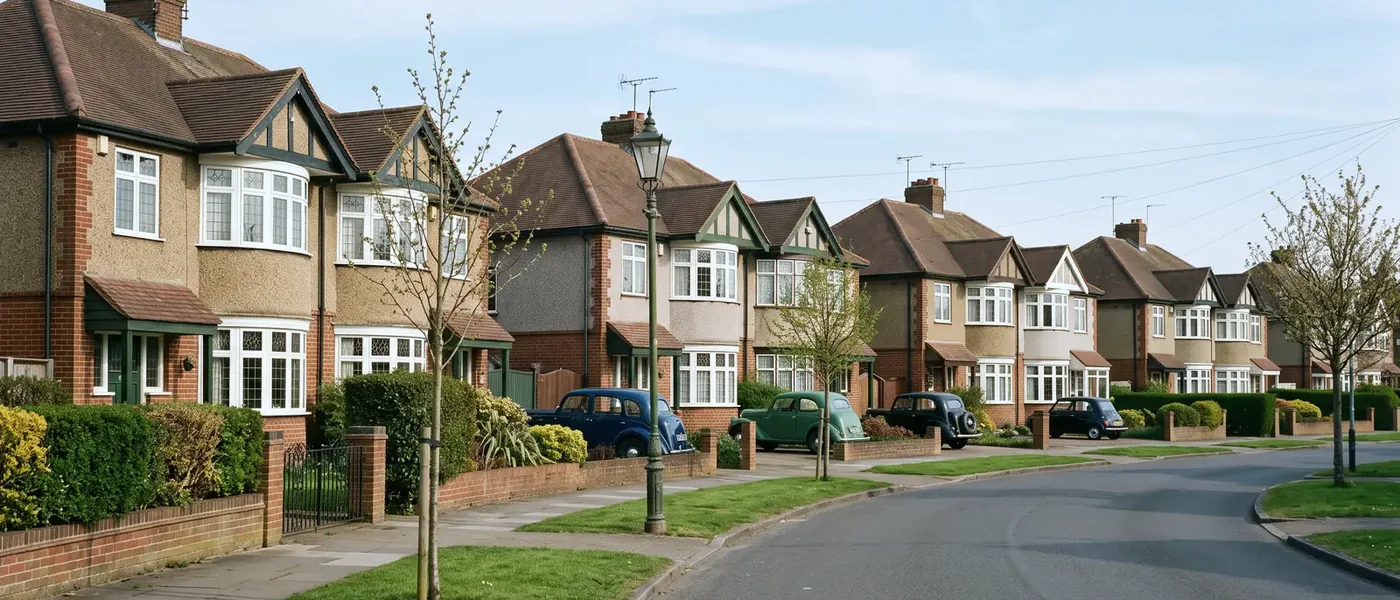
Houses mostly fall into the lower council tax bands. Band A covers 23.7% of homes in England, and council tax band C covers 22.0% (VOA stock of properties). In England, a home in council tax band B was valued at £40,001 to £52,000 back in 1991.
| Band | England, value at 1 April 1991 | Wales, value at 1 April 2003 | Scotland, value at 1 April 1991 |
|---|---|---|---|
| Band A | Up to £40,000 | Up to £44,000 | Up to £27,000 |
| Band B | £40,001 to £52,000 | £44,001 to £65,000 | Over £27,000, up to £35,000 |
| Band C | £52,001 to £68,000 | £65,001 to £91,000 | Over £35,000, up to £45,000 |
| Band D | £68,001 to £88,000 | £91,001 to £123,000 | Over £45,000, up to £58,000 |
| Band E | £88,001 to £120,000 | £123,001 to £162,000 | Over £58,000, up to £80,000 |
| Band F | £120,001 to £160,000 | £162,001 to £223,000 | Over £80,000, up to £106,000 |
| Band G | £160,001 to £320,000 | £223,001 to £324,000 | Over £106,000, up to £212,000 |
| Band H | More than £320,000 | £324,001 to £424,000 | Over £212,000 |
| Band I | No band I | More than £424,000 | No band I |
How the council tax band checker works out the bill
Each year, every council sets its own charge for Band D. Each of the other bands is a set share of it, fixed by law (1992 Act, section 5).
England and Wales charge band A at six ninths of Band D, while band H pays twice that. Wales adds band I at 21 ninths. For bands E to H, Scotland has its own scale (section 74).
These charges come from the 2026/27 figures published by MHCLG for England and the Welsh Government for Wales. For Scotland, the source of the figures is the Scottish Government.
What can make your band change
Splitting a home into flats, merging homes into one, or knocking part of one down can all change its band (GOV.UK). Building an extension can push a home into a higher band, but that happens only at its next sale (band changes guidance).
Check council tax band records for other homes like yours on your street before you challenge. If those homes sit lower, find out how a band appeal works. Each council's charges are on our council tax by council page.
Common questions about council tax band
What council tax band am I in?
For England and Wales, the Valuation Office band search lets you look up your address. The Scottish Assessors website is the one to use in Scotland.
Why do council tax bands use 1991 values?
Homes in England and Scotland are banded by their value on 1 April 1991. Wales got a new valuation, dated 1 April 2003. A home's current selling price plays no part in setting its band.
Does band D count as the average council tax band?
Other bands are set from Band D as the standard measure, but it isn't the most common band. Band A is the most common in England, holding 23.7% of homes.
Can I cut my council tax bill without a band change?
Yes. With a low income or on benefits, you may qualify for Council Tax Reduction. Discounts and exemptions are also offered by councils.
Will selling my home change my band?
Only when the home has grown bigger. If the home has grown, it may go up a band when it next sells.